Understanding Childhood Anxiety and Depression
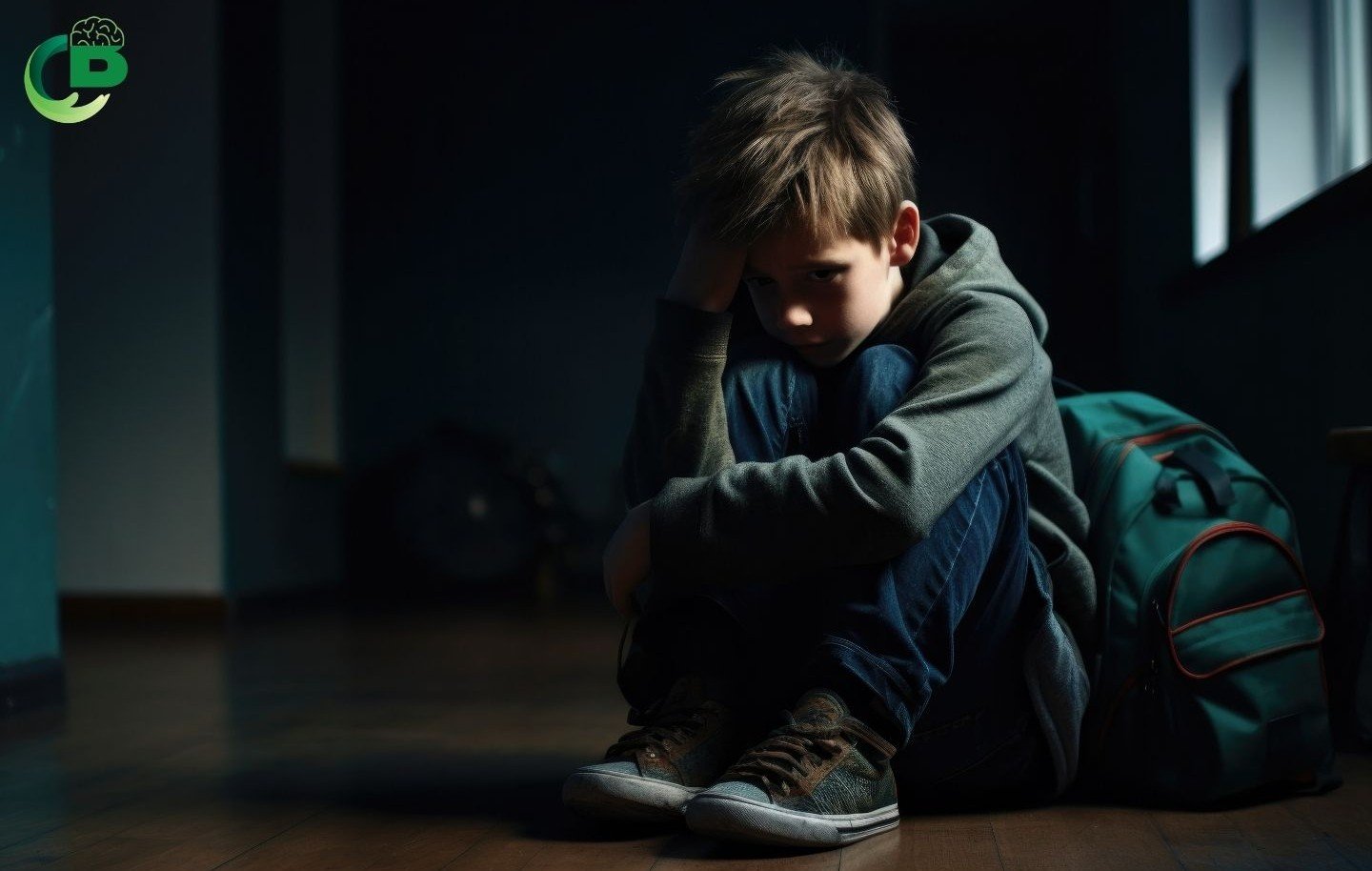
Childhood should be a time full of joy, play, learning, and fun. But for many children, it can also bring feelings of worry, sadness, or fear that do not go away easily. Childhood anxiety and depression are real mental health issues that affect how a child thinks, feels, and acts every day. These problems are more common than many people think, and the good news is that with the right help, children can feel better and enjoy life again.
At CBB Hospital in Kochi, we understand how important it is to care for young minds. As a leading psychiatric hospital, we offer expert Depression treatment in Kochi, Anxiety treatment in Kochi, and specialized care from a Child psychiatrist in Kochi. Our team uses kind, evidence-based methods to support children, teens, and their families.
What Is Childhood Anxiety?
Anxiety is more than just feeling nervous before a test or a new event. It is when worry or fear becomes too strong and lasts a long time. It can make everyday things feel scary or hard.
Common signs of anxiety in children include:
- Too much worry about school, friends, family, or the future
- Fear of being away from parents (separation anxiety)
- Trouble sleeping because of racing thoughts
- Stomach aches, headaches, or other body pains with no clear medical cause
- Avoiding school, playdates, or activities they used to like
- Being clingy, irritable, or crying often
- Trouble focusing or sitting still
Some children hide their worries and seem quiet, while others may have tantrums or get angry easily. If these feelings stop a child from doing normal things like going to school or playing, it may be an anxiety disorder.
What Is Childhood Depression?
Depression in children is not just “being sad.” It is a deep feeling of sadness, hopelessness, or emptiness that lasts for weeks or more. Children with depression may lose interest in things they love.
Signs of depression in children can include:
- Losing interest in toys, games, sports, or friends
- Changes in eating eating too much or too little
- Sleeping too much or having trouble sleeping
- Feeling tired all the time
- Trouble with schoolwork or grades dropping
- Talking about feeling worthless or guilty
- Getting angry or irritable easily
- Withdrawing from family and friends
- In some cases, thoughts of hurting themselves
Younger children might show depression through body complaints like tummy pain or by being very clingy. Teens might seem more angry, use substances, or pull away from everyone.
Anxiety and depression often happen together. A child who is very worried may also feel sad, or ongoing sadness can lead to more fears.
Causes of Childhood Anxiety and Depression
There is no single reason why a child gets anxiety or depression. It usually comes from a mix of things:
- Family history If parents or relatives have had anxiety or depression, the child may have a higher chance.
- Brain chemistry Chemicals in the brain that control mood can be out of balance.
- Stressful events Things like family fights, loss of a loved one, bullying, school pressure, moving to a new place, or abuse can trigger these issues.
- Big changes like starting a new school, parents’ divorce, or health problems in the family.
- Personality Some children are naturally more shy or sensitive, which can make them more likely to feel anxious.
- Environment Growing up in a home with a lot of stress or not enough support can play a role.
It is important to know that it is not the child’s fault, and parents are not to blame. These are real health problems, just like a fever or broken bone.
How to Help: Treatment Options
The best part is that childhood anxiety and depression can be treated very well. Early help makes a big difference.
Common treatments include:
- Talk Therapy (Counseling) Therapists talk with the child in a safe way. One popular type is Cognitive Behavioral Therapy (CBT). It helps children learn to change negative thoughts, face fears slowly, and build better ways to cope. Family therapy can also help parents and siblings understand and support the child.
- Medication In some cases, a doctor may suggest medicine to balance brain chemicals. This is always done carefully by a specialist, and it is combined with therapy. Medicine is not the first choice for young children but can help when needed.
- Lifestyle Changes
- Regular exercise and play outdoors
- Healthy eating and good sleep habits
- Limiting screen time
- Building routines and structure at home
- Encouraging hobbies and social time
- School Support Teachers and school counselors can help with extra support, like a quiet space or adjusted work.
Why Choose CBB Hospital in Kochi?
If you are looking for trusted care in Kerala, CBB Hospital (Cochin Hospital for Brain and Behavioral Health) is here for you. We are known as one of the best psychiatric hospitals in Kochi. Our Child psychiatrist in Kochi and team offer compassionate, age-specific care for children and teens.
We provide:
- Full check-ups to understand the child’s needs
- Personalized plans with therapy, counseling, and medicine if needed
- Support for both Anxiety treatment in Kochi and Depression treatment in Kochi
- A safe, caring space for young minds to heal
Our experts use modern, proven methods to help children feel happy, confident, and strong again.
When to Seek Help
If your child has been showing signs for more than a few weeks, or if the feelings are strong and affect daily life, do not wait. Talk to a doctor or child mental health expert soon. Getting help early can stop problems from growing and help your child grow up healthy.
You are not alone. Many families face this, and many children get better with support.
At CBB Hospital, we are ready to walk with you and your child on the path to better mental health. Contact us today for an appointment. Your child’s smile and peace of mind are worth it.